

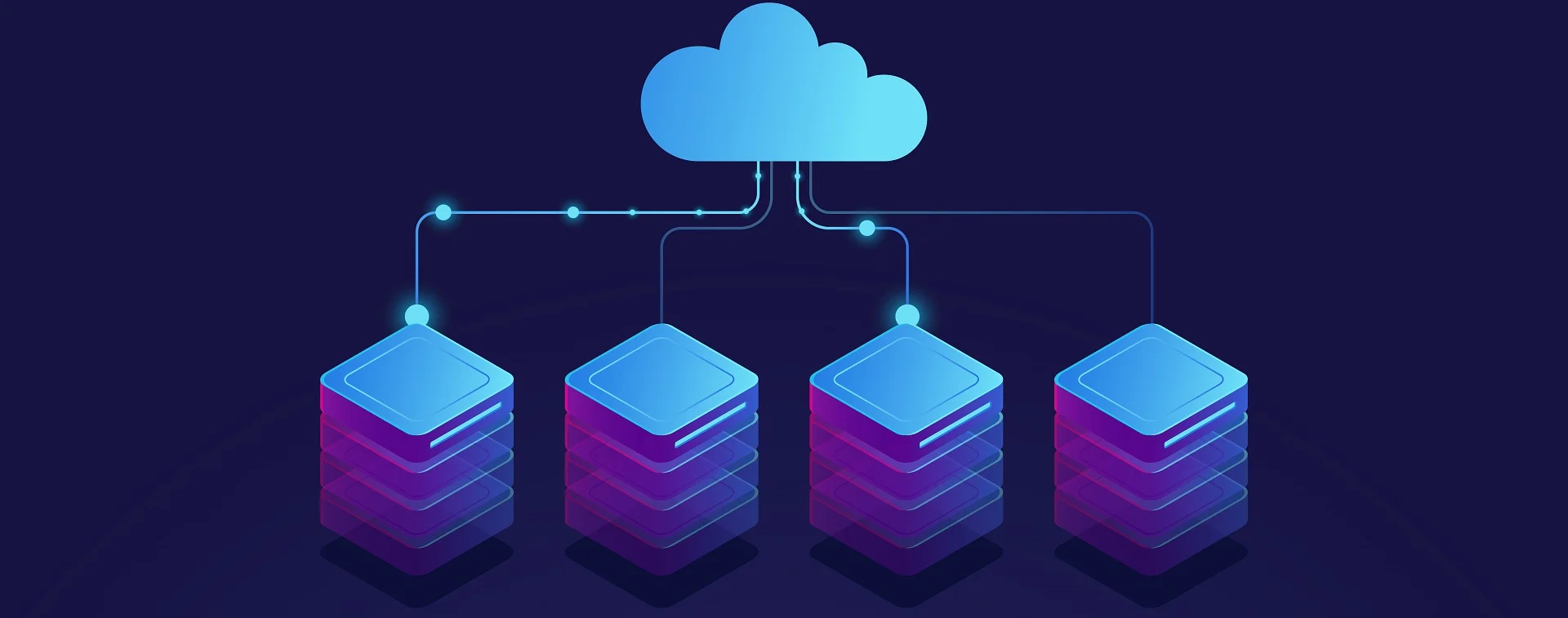
Disaster Recovery as a Service (DRaaS) is a comprehensive cloud-based solution that facilitates the recovery and restoration of IT systems and data in the event of a disaster or disruptive incident. DRaaS allows organizations to replicate their critical applications and data to a secure cloud environment, providing a resilient infrastructure that can be rapidly activated in the aftermath of a disaster. This approach minimizes downtime, mitigates data loss, and ensures business continuity, making it a crucial component of modern disaster recovery strategies.
One of the primary advantages of DRaaS is the agility it offers in responding to various types of disasters, whether natural or human-induced. By utilizing cloud resources, organizations can quickly spin up virtual environments, ensuring that key applications and services remain accessible even if the primary infrastructure is compromised. This agility is particularly critical for businesses operating in dynamic and unpredictable environments, enabling them to adapt swiftly to unforeseen circumstances.
DRaaS provides a cost-effective alternative to traditional disaster recovery solutions, eliminating the need for organizations to invest heavily in dedicated offsite facilities and redundant hardware. With a subscription-based pricing model, businesses pay for the resources and services they use, making it a scalable and predictable solution. Additionally, DRaaS providers often handle the maintenance and testing of the disaster recovery environment, reducing the administrative burden on internal IT teams.
Testing is a crucial aspect of any disaster recovery strategy, ensuring that the recovery process is reliable and effective. DRaaS solutions typically include regular testing capabilities, allowing organizations to simulate disaster scenarios and verify the recoverability of their systems. This proactive approach to testing helps identify and address potential issues before they impact actual recovery operations, enhancing the overall reliability of the disaster recovery plan.
Security is a paramount concern in disaster recovery, and DRaaS providers implement robust measures to protect data during replication and while stored in the cloud. Encryption, access controls, and compliance with industry standards contribute to securing sensitive information. Additionally, DRaaS providers often have geographically dispersed data centers, further enhancing the resilience of the disaster recovery infrastructure.
As organizations increasingly rely on digital systems and data, DRaaS becomes a strategic investment in safeguarding business operations. The ability to recover swiftly from disasters, coupled with the flexibility and cost-effectiveness of cloud-based solutions, positions DRaaS as a cornerstone of a comprehensive disaster recovery and business continuity strategy.